
Getting Started: Understanding Prague's Bike Infrastructure
Prague's bike network has grown substantially over the last decade. The city now features over 300 kilometers of dedicated cycling paths, though not all are equally well-maintained or clearly marked. Here's what you need to know before you start pedaling.
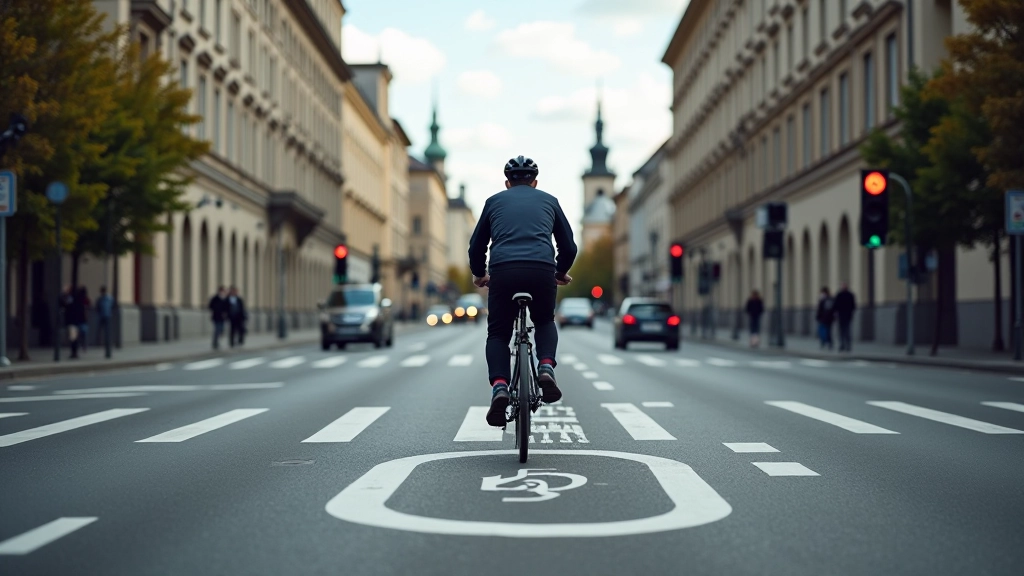
The infrastructure splits into three categories: dedicated bike lanes (physically separated from traffic), painted lanes (markings on the road), and shared zones. Most routes through the city center use painted lanes, which means you'll be sharing space with cars. Don't let that intimidate you — Prague drivers are generally patient with cyclists, and peak commute times actually work in your favor because everyone moves slowly anyway.
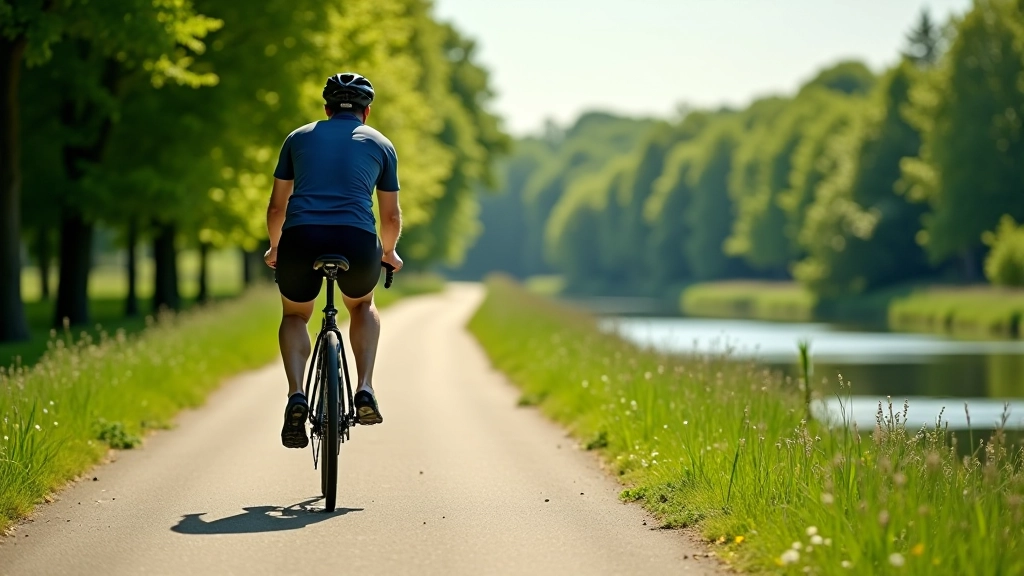
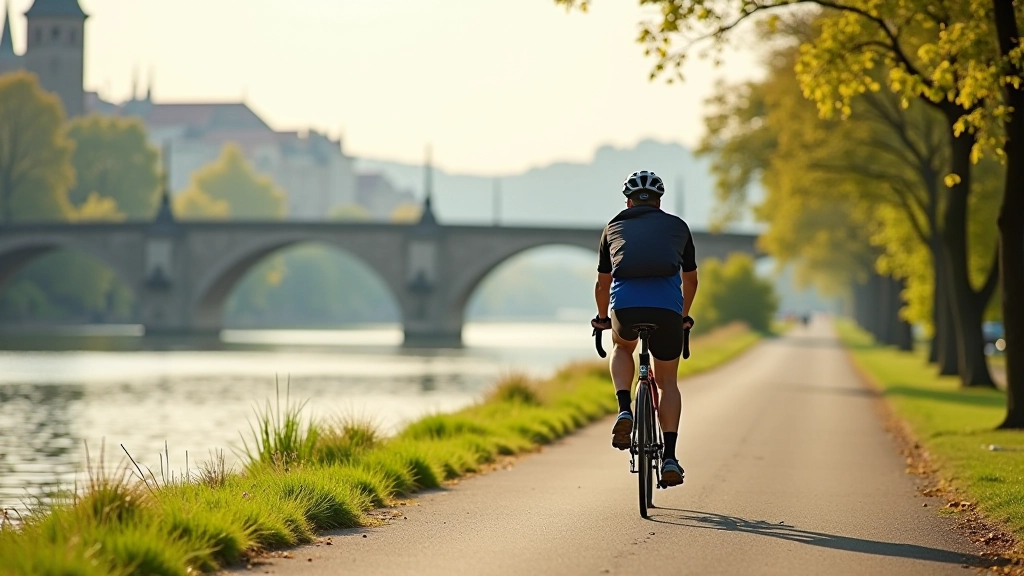
One thing we've learned: the best routes aren't always the shortest ones. A detour along the Vltava riverside paths takes maybe 10 extra minutes but gets you away from the stress of main roads. The ride's actually more enjoyable when you're not white-knuckling the handlebars.
Bike Rentals and Where to Find Them
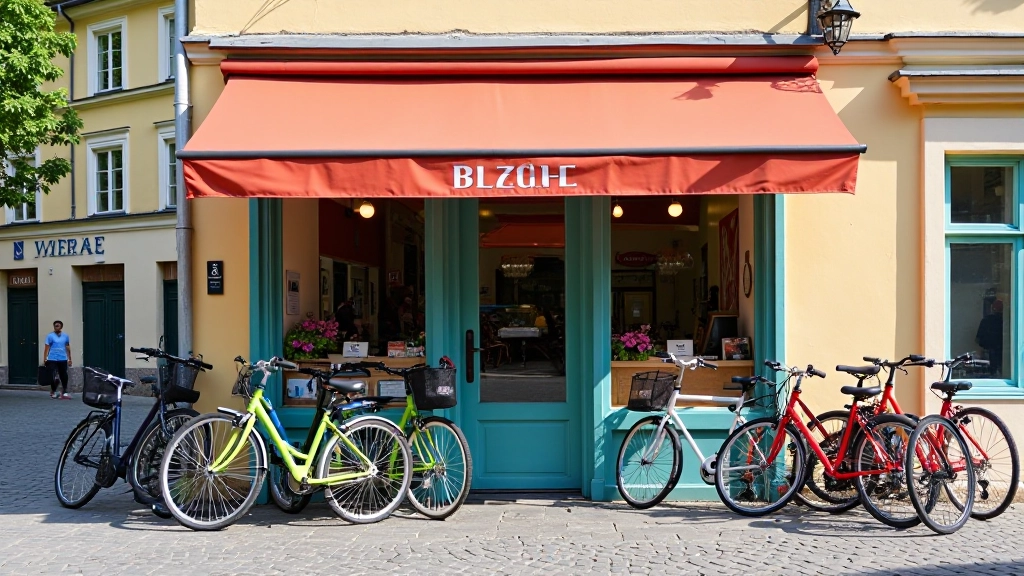
You don't need to own a bike to cycle Prague. The city has over 50 rental shops scattered across tourist districts and near main attractions. Prices typically range from 150–400 CZK per day (about €6–16) depending on bike quality and location.
The main rental zones are around Old Town Square, the Charles Bridge area, and near Wenceslas Square. Most shops offer basic city bikes (single-speed, heavy, but reliable), hybrid bikes, and mountain bikes. If you're planning a longer ride, grab a hybrid — they're faster than city bikes but more comfortable than road bikes on Prague's sometimes rough pavement.
We'd suggest avoiding the rentals right at tourist hotspots. Walk 5 minutes away from the main areas and you'll find cheaper shops with better-maintained equipment. The staff won't be multilingual, but pointing works fine. Always check the brakes and tires before leaving — it takes 30 seconds and prevents problems later.
Key Neighborhoods for Cycling
Vltava Riverside
Protected paths running north and south of the city center. Peaceful, flat, and scenic. Best for leisurely rides away from traffic stress.
Vinohrady District
Quiet residential streets, tree-lined avenues, good bike infrastructure. Feels less touristy and has cafés worth stopping for.
Old Town & Charles Bridge
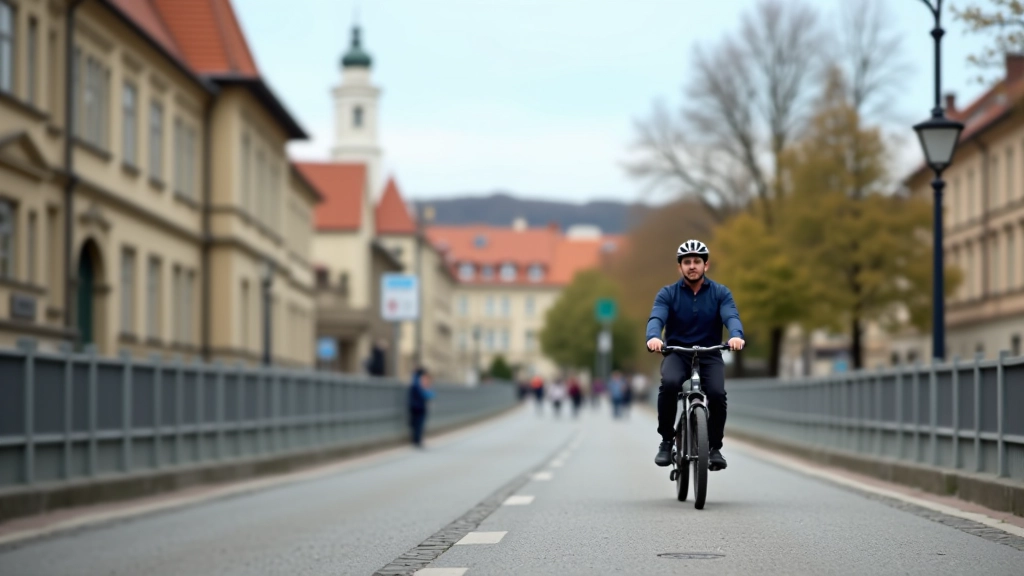
Crowded but iconic. Cobblestone streets are rough on bikes, so walk it if you're on a borrowed rental. Best visited early morning.
Petřín Park
Hills, forest trails, and views across Prague. Steeper than the riverside routes, but worth the effort for the landscape.
Traffic Patterns and Safety Tips
Prague traffic follows predictable patterns. Rush hour (7–9 AM and 4–6 PM) means congestion but slower speeds, which actually works in your favor. Mid-morning and early afternoon are best for speed-focused rides. Weekend mornings? Nearly empty streets, especially before 10 AM.
You'll notice drivers sometimes ignore bike lanes. Don't take it personally — it's just how things work here. Stay visible. Use lights even during the day (Czech law requires them after sunset). Wear bright colors. The surprise factor is your biggest risk, not speed.
Potholes and cobblestones are your real enemies. They're not dramatic, but they'll slow you down and beat up rental bikes. Stick to painted lanes where possible and avoid the historic Old Town routes unless you're walking your bike. Your wrists will thank you.
Seasonal Considerations and Best Times to Ride
Spring (April–May) and fall (September–October) are ideal for Prague cycling. Temperatures sit around 12–18°C, paths are clear, and the light lingers until 8 PM. Summer brings tourists and heat — roads feel crowded and temperatures can hit 25°C+, which makes stops more frequent.
Winter cycling is possible but not recommended unless you're experienced. November through February brings wet pavement, salt, and occasional ice. The paths get maintained, but it's genuinely hazardous. If you're visiting Prague in winter, you're better off with public transport.
Rain happens year-round, but it's rarely heavy. A light rain jacket takes up minimal space and prevents you from being miserable. You'll see locals riding in light rain without gear — we'd suggest bringing it anyway. Your borrowed rental bike has minimal protection.
Quick Practical Tips
Always lock your bike. Even quick stops. Prague's bike theft is manageable, but it happens. Use the frame, not just the wheel.
Download offline maps. Phone signal can be spotty in older neighborhoods. Google Maps offline mode works great.
Carry water. Even short rides through the city get hot. Most cafés will refill bottles for free or minimal cost.
Check your rental bike's brakes before leaving the shop. Squeaky brakes aren't just annoying — they signal wear.
Stay on the right side of paths. Czechs drive on the right, and cyclists follow the same convention.
Ready to Explore Prague by Bike?
Urban cycling in Prague isn't complicated once you understand the basics. You've got good infrastructure, reasonable traffic, and routes that range from peaceful riverside paths to challenging urban navigation. Start with a rental bike on a quiet morning, stick to the Vltava paths or Vinohrady streets, and build confidence from there.
The city reveals itself differently from a bike seat. You'll find cafés, viewpoints, and neighborhoods that tourists on foot never see. It's a practical way to get around and a genuinely enjoyable way to experience Prague. You'll understand why locals love cycling here.
Important Disclaimer
This guide provides educational information about cycling in Prague and is not a substitute for local cycling laws, traffic regulations, or official city guidelines. Road conditions, bike lane configurations, and traffic patterns change seasonally and may vary from descriptions here. Always wear a helmet, follow local traffic laws, and assess conditions yourself before cycling. Check current regulations with Prague city authorities before your visit. The information here reflects conditions as of April 2026 and should not be considered legal or official guidance.