Why the Elbe Cycle Route Matters
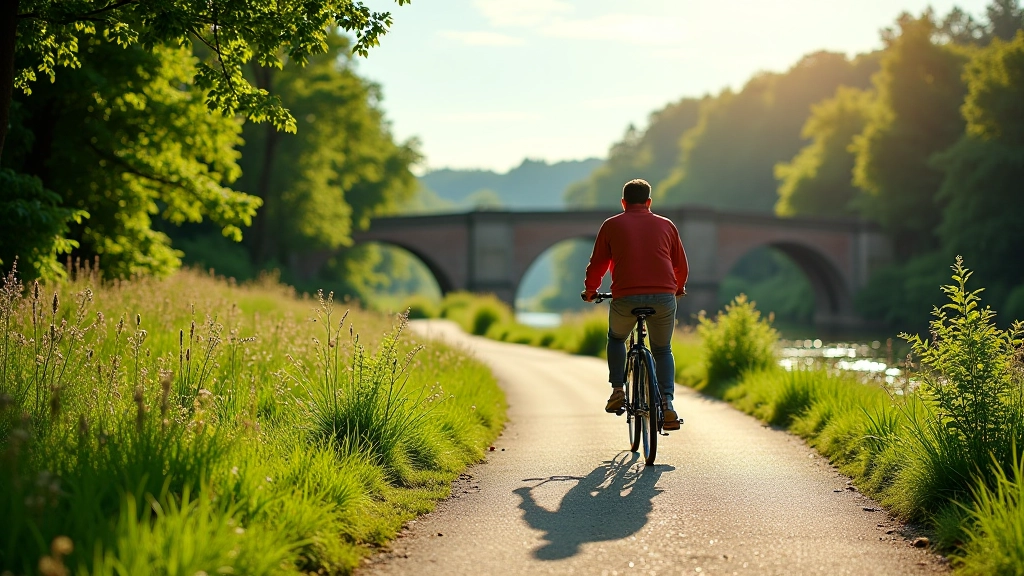
The Elbe Cycle Route isn't just another bike path. It's one of Europe's most popular cycling destinations, connecting Prague directly to the German border along the Elbe River. We're talking about 290 kilometers of mostly flat terrain that takes you through some of the most beautiful landscapes in Central Europe.
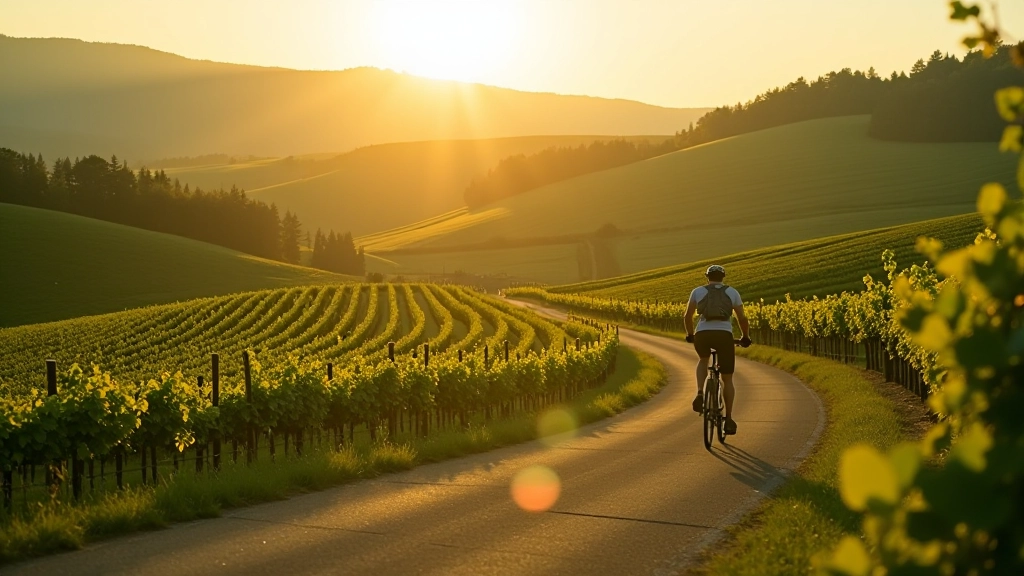
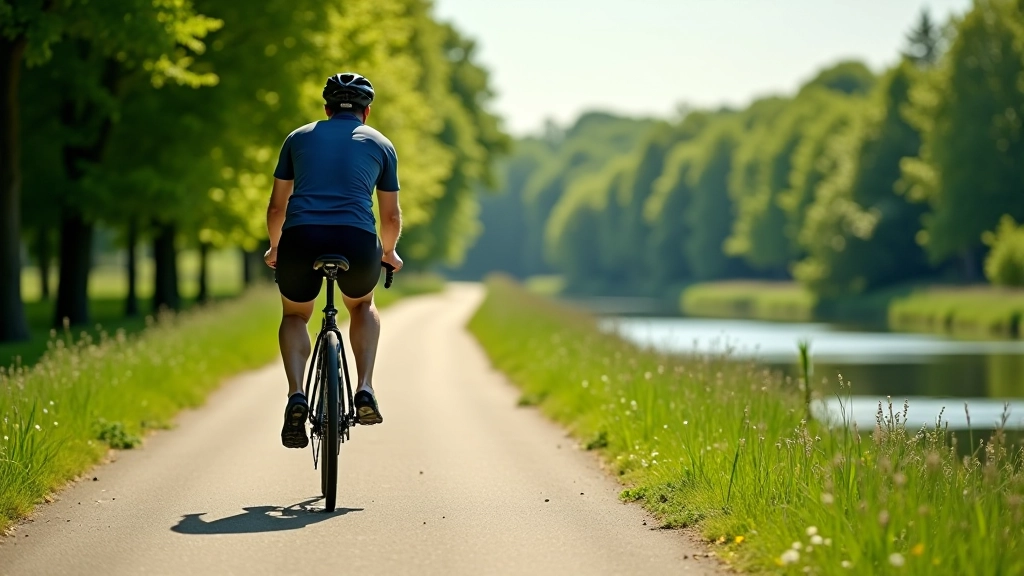
What makes this route special? It's well-maintained, clearly marked, and you don't need to be an experienced cyclist to complete it. Most people tackle it over 7-10 days, stopping at charming towns along the way. The route follows the river closely — sometimes you're pedaling right beside the water, other times you're cycling through vineyards and forests that open up to riverside views.
Understanding the Route Distance & Difficulty
The full Elbe Cycle Route spans 290 kilometers from Prague to Bad Schandau in Germany. That's a significant distance, but here's the thing — you don't need to do it all at once. Most cyclists break it into manageable daily segments of 40-60 kilometers, which means you're looking at 5-8 hours of actual riding time depending on stops and pace.
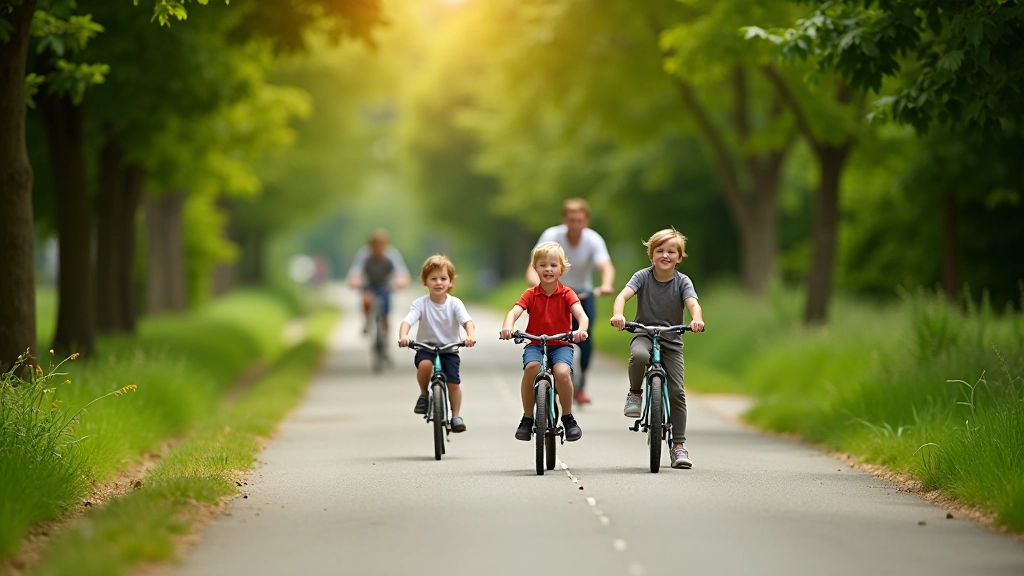
The terrain is genuinely beginner-friendly. About 85% of the route is flat or gently rolling hills. You'll encounter a few climbs around Terezín and between Litoměřice and Ústí nad Labem, but nothing steep. The path surface varies — some sections are asphalt, others are well-compacted gravel. We've seen families with kids as young as 8 complete this route successfully, though they typically spread it over 10-12 days instead of 7.
Best Times to Ride: Seasonal Breakdown
Timing matters when you're planning a multi-day cycling adventure. The route is technically rideable year-round, but some seasons are significantly better than others.
Spring (April-May)
Ideal timing. Temperatures between 12-18°C. Cherry blossoms along the river create stunning scenery. Fewer tourists than summer. Accommodation is easier to book. The only downside? You might hit a rainy week, so pack a lightweight waterproof jacket.
Summer (June-August)
Warmest period, 18-25°C. The route gets busy — especially weekends in July. Towns fill up with tourists. Book accommodation 2-3 months ahead if you're coming July-August. Early June and late August are quieter sweet spots with similar weather.
Autumn (September-October)
Absolutely excellent. September is warm (15-20°C), October gets cooler (10-15°C). Fall colors transform the landscape. Tourist crowds thin out. Accommodation availability improves. This is when experienced cyclists prefer riding. Days are getting shorter though — plan your daily distance accordingly.
Winter (November-March)
Cold and unpredictable. Temperatures hover around 0-5°C. Snow isn't common but occasional ice makes the route slippery. Many accommodations close seasonally. If you're committed to winter cycling, December is actually better than January-February when conditions are harshest.
Accommodation: Where to Stay Along the Route
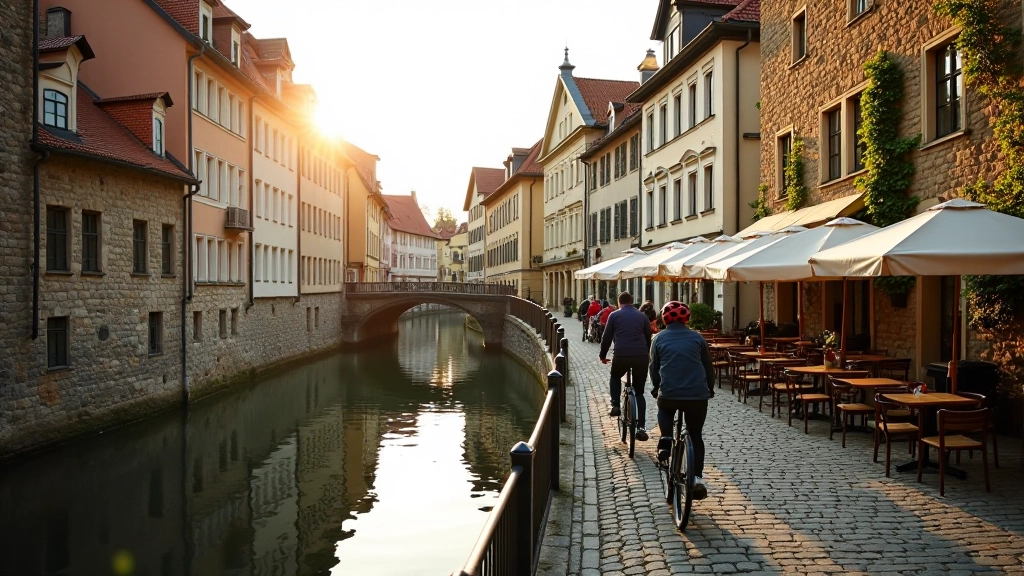
You've got solid options at every price point. The route passes through established cycling towns where accommodation specifically caters to cyclists. Hotels are fine, but guesthouses and family-run pensions offer better value and that authentic local experience.
Key Towns for Overnight Stops
- Mělník (40km from Prague) — Wine region, plenty of guesthouses, bike repair shops. Good for your first night if you're not doing it all in one push from the capital.
- Litoměřice (70km) — Medieval town center, established cycling infrastructure. Hotels range from budget to mid-range. Restaurants and cafés everywhere.
- Ústí nad Labem (110km) — Larger city with most accommodation options. More urban feel but excellent services. Good stopping point if you're on a slower pace.
- Pirna, Germany (240km) — Picturesque town just across the border. Worth extending your trip by a day to explore. Accommodation books quickly in summer.
Budget roughly 40-60 euros per night for mid-range guesthouses, 60-100 euros for decent hotels. Many places offer "Cycling Package" deals that include secure bike storage, laundry facilities, and packed lunches. Booking sites like Booking.com and Airbnb cover most options, but don't overlook local tourism websites — sometimes smaller family-run places aren't listed on major platforms.
Practical Planning: What You Actually Need
Don't overthink your preparation. Most people overpack. Here's what genuinely matters:
Bike Requirements
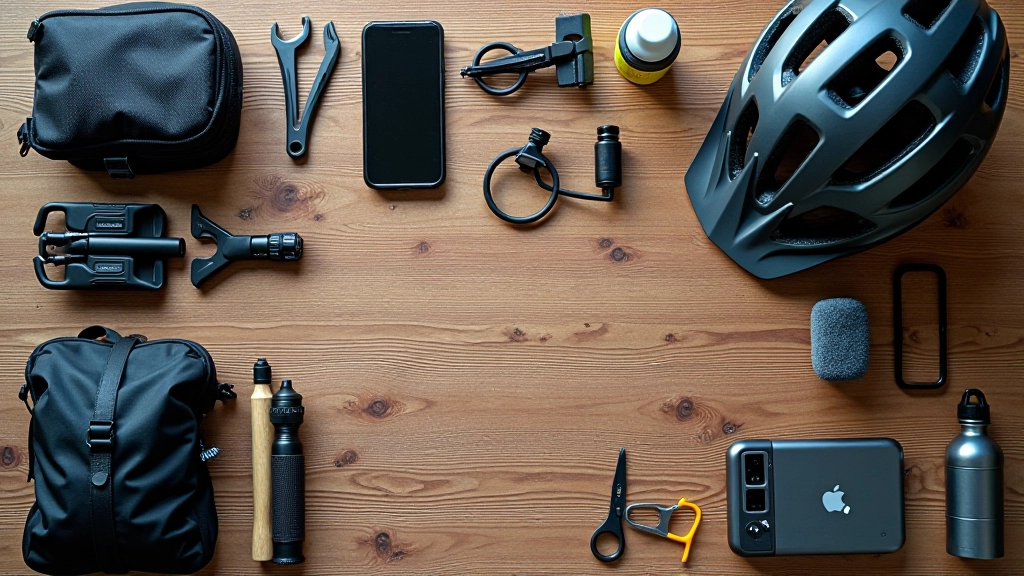
You don't need a fancy road bike. A hybrid or even a mountain bike works fine on this route. What matters? Reliable brakes, properly inflated tires, and a comfortable saddle. If your bike hasn't been serviced in over a year, get a tune-up before you go. Bring spare tubes (at least 2), a repair kit, and a portable pump.
Navigation & Maps
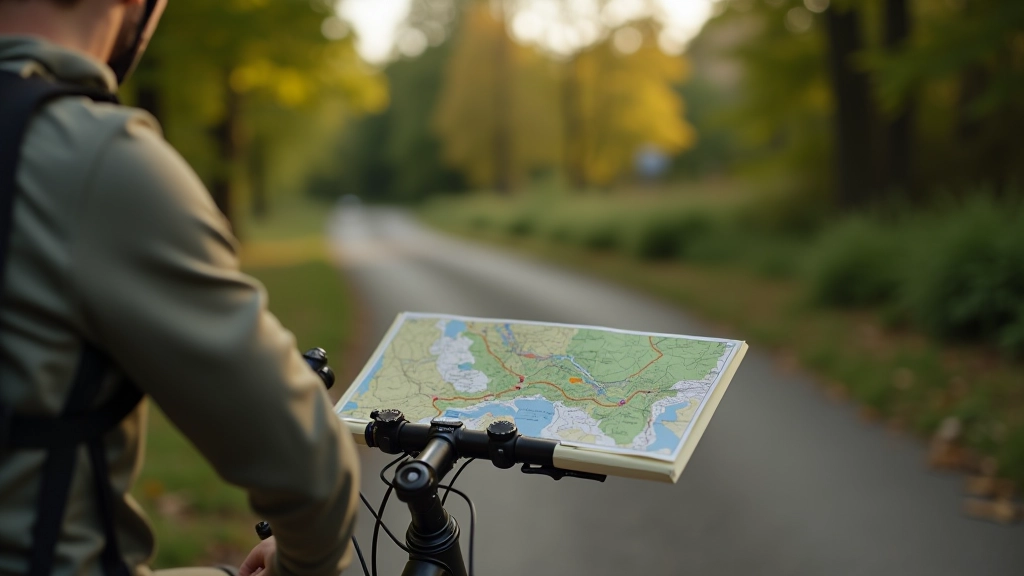
The Elbe Cycle Route is well-signed with green and white markers. You can literally follow the signs. That said, having a backup is smart. Download offline maps on your phone using apps like Komoot or Maps.me. Paper maps exist too — pick one up at tourist info centers in Prague.
Physical Preparation
If you're not a regular cyclist, start training 4-6 weeks before. Begin with 30-minute rides, gradually building to 60-90 minute sessions. Your legs will adapt. Seat soreness is real for beginners — it's not a sign you can't do this, just that you need gradual adaptation.
Making Your Decision: Is It Right for You?
The Elbe Cycle Route works for a surprising range of cyclists. You don't need to be athletic or have extensive cycling experience. You need realistic expectations, reasonable fitness, and willingness to take your time. If you can ride a bike for an hour without falling apart, you can handle this route. It's genuinely doable, and the sense of accomplishment when you reach the German border is absolutely worth the effort.
Start planning 2-3 months ahead for spring or autumn trips, longer for summer. Choose your accommodation early. Invest in a decent bike service before you go. Break the route into daily segments that feel manageable rather than punishing. And here's the thing — the best part isn't actually the cycling. It's stopping at riverside villages, eating fresh local food, talking to other cyclists you meet along the way, and discovering that you're capable of more than you thought.
Disclaimer
This guide is informational and based on current conditions as of April 2026. Route conditions, accommodation availability, and local regulations can change. Always check official sources and local tourism offices for the most current information before planning your trip. Weather, road conditions, and personal fitness levels vary — adjust your itinerary accordingly. Consider consulting local cycling organizations or hiring a guide if you're uncertain about any aspect of the journey.